Students often feel disconnected when lessons remain abstract rather than tied to tangible problems. That disconnect fuels disengagement and saps confidence in problem-solving. In recent years, laser cutters, CNC routers, and 3D printers that support this mission have become popular additions.
With reliable fabrication tools and equipment, teachers can inspire creativity in education. Young makers often become more attentive and begin to collaborate across art, science, and engineering projects.
To help you determine if a multi-function machine can transform your classroom, we’ve provided a brief overview. Consider the following to meet modern educational goals with intuitive real-world applications.
The Role of Fabrication in Modern Education
A classroom buzzing with the hum of machines reveals how quickly students grasp the art of making with the proper setting and curriculum. Hands-on projects empower learners to grasp abstract concepts by shaping digital designs into tangible objects that reinforce theoretical ideas.
Educational studies demonstrate that working directly with CNC routers and 3D printers embeds science and math principles more deeply than lectures alone. With intuitive software interfaces and preset material profiles, students can focus on creativity in education instead of technical hurdles.
Tangible outcomes spark genuine curiosity, driving deeper investigation and long-term retention of STEM concepts beyond traditional note-taking methods. When learning fabrication techniques, students can blend science, technology, engineering, art, and math into cohesive, project-driven experiences that mirror professional practice.
For those who struggle with passive, lecture-based instruction, hands-on making is much more engaging. Integrating these active methods nurtures adaptability and versatile skill sets.
Cross-Disciplinary Learning Opportunities
Fabrication tools and equipment shine when art, design, and tech collide, fueling creativity in education. Students experiment with materials and code side by side. The result? Subject silos vanish, teamwork kicks in, and fresh ideas emerge.
Art Classes
Tools like laser cutters and 3D printers open doors that brushes alone can’t. Picture this:
- Designing custom stencils, then watching a laser carve them out on acrylic.
- Printing a sculpture that twists and floats. Shapes you couldn’t carve by hand.
Classic painting and sculpting blend with digital workflows. Students stretch their creative muscles in ways that boost creativity in education.
Design Classes
Sketching a product on-screen feels great. Holding a real prototype feels better.
- CNC routers carve wood into sleek furniture legs.
- Laser engraving adds fine graphics to packaging mock-ups. Each test run teaches a tweak or two; ideas evolve fast when you can touch them.
These hands-on moments show why fabrication tools and equipment matter in design.
Technology Classes
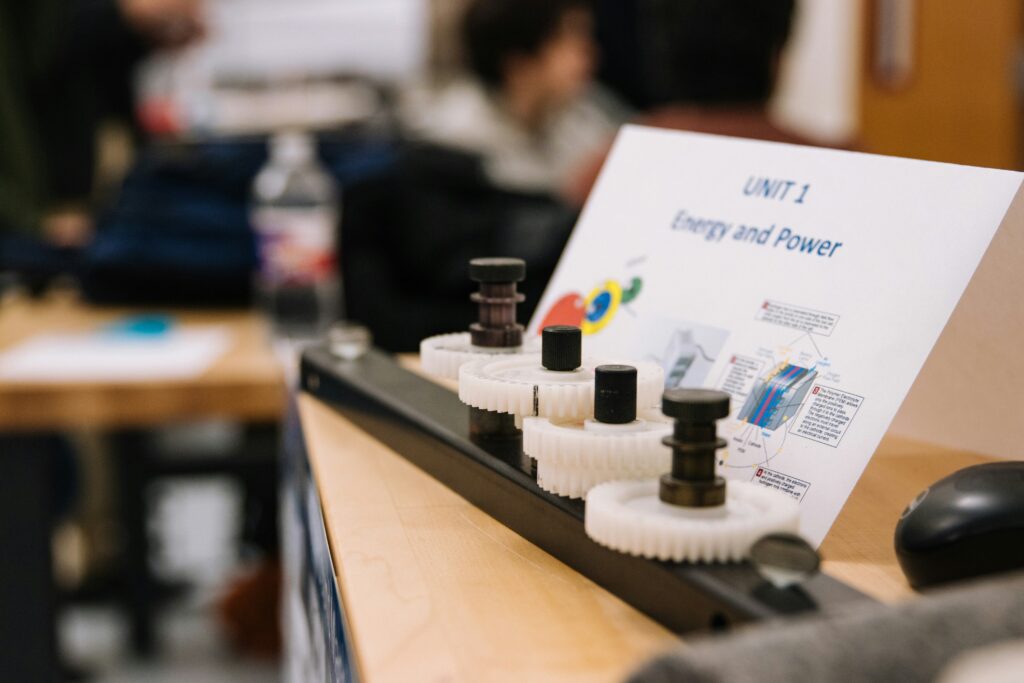
Building robots isn’t just about wiring and coding anymore. Students print custom gears, route precise chassis parts, and then watch their bots roll.
- Bridge-building challenges come to life with real materials.
- Hands-on making cements engineering lessons and sparks genuine excitement for STEAM (Science, Technology, Engineering, Art, and Math) fields.
This mix of craft, design, and coding turns classrooms into mini innovation labs. Ultimately, every project feels like a discovery.
Why Schools Use Fabrication Tools
Fabrication tools and equipment are staples in schools due to their flexibility, ease of use, and educational value. Schools recognize their ability to make advanced manufacturing accessible while fostering creativity in education. Learning fabrication triggers skill development in students. Some key reasons educators integrate fabrication tools include:
- User-Friendly Software: Most machines sport simple menus and ready-made settings. Students jump right in. No manual deep dives. Just pick a material, hit start, and watch ideas come alive.
- Material Versatility: Think wood today, leather tomorrow, and even fabric or clear acrylic next week. Teachers pick materials that match lesson goals. Every project feels fresh.
- Compact Design: These aren’t giant factory beasts. They sit comfortably on a classroom table. Perfect for rooms where space is tight. Students gather around, and collaboration happens naturally.
- Safety Features: Fully enclosed designs and advanced safety certifications ensure that these tools can be used safely in shared spaces with young students.
These attributes make fabrication tools and equipment valuable in classrooms, helping educators unlock new ways to inspire creativity in education across disciplines and prepare students for real-world making challenges.
Elevating Creativity with Multi-Function Fabrication Tools
Schools gain more than just extra machinery when they choose multifunction devices. These all-in-one workhorses combine laser cutting, CNC routing, and 3D printing to inspire creativity in education and streamline lab management. Space savings translate into more room for student collaboration, while budget savings free funds for materials and training.
Creative Projects Across Disciplines
- Laser Engraving: Teach students to personalize coasters, keychains, and notebooks, or classroom awards with intricate, student-designed patterns.
- CNC Routing: Carve architectural models, jewelry pieces, signage, and even custom game boards.
- 3D Printing: Rapidly prototype mechanical parts, sculptural art pieces, or bespoke lab tools.
By consolidating these functions, schools unlock interdisciplinary projects that blend artistic expression, engineering principles, and hands-on problem-solving. Educators have the opportunity to watch how quickly students cycle from idea to prototype. This integrated approach with fabrication tools and equipment nurtures inventive mindsets, cultivates technical skills, and prepares learners for the future.
Making Fabrication Tools Accessible in Schools
While the benefits of fabrication tools and equipment are clear, integrating them into classrooms may pose a challenge. Cost, space, and training requirements are common barriers. However, compact, user-friendly devices with robust safety features address these concerns, making learning fabrication achievable for many students.
Key features for educational environments include:
- Compact Size: Machines that fit on standard tables free up floor space for group work and storage, ideal for schools with limited room.
- Safety Certifications: Fully enclosed systems, automatic shutoffs, and certified guards ensure safe operation around students of all ages.
- Intuitive Software: Pre-set parameters and guided interfaces shrink the learning curve, enabling teachers to integrate fabrication tools and equipment into lesson plans within minutes.
- Shared-Resource Models: Mobile fab carts and district-wide maker spaces allow multiple schools to access high-end machines without individual purchases.
- Professional Development: Targeted training programs and online communities support educators in mastering learning fabrication workflows and curriculum design.
This versatility transforms fabrication tools from expensive curiosities into practical, scalable classroom assets. Sparking creativity in education is more attainable when you can include hands-on projects across art, science, and tech. With the proper equipment, schools cultivate real-world problem-solving skills in existing spaces without going over budget.
Inspiring the Next Generation of Innovators
Bringing new technology into classrooms does more than spark imagination. It builds future-ready skills and confidence. With open-ended challenges, students learn to collaborate with peers and apply technical know-how to tangible projects.
Imagine a teen who designs a laser-engraved phone stand. They learn precision layout, material properties, and iterative testing. Next thing you know, they’re sketching custom furniture or prototyping products for a school fundraiser. Another student uses CNC routing to craft gears for a small robot. They debug mechanical tolerances, explore engineering principles, and present findings at a regional science fair.
These experiences teach problem-solving, iteration, and creative thinking. Each is a core aspect of creativity in education. They also connect classroom lessons to real-world applications in STEAM fields such as industrial design, mechanical engineering, and product development. As students see their prototypes come to life, they gain ownership of learning and grow more willing to take intellectual risks.
By learning fabrication techniques for art, design, and technology courses, students develop mindsets that embrace experimentation, resilience, and collaboration. Today’s hands-on projects become tomorrow’s startups, research breakthroughs, and community solutions. This is further proof that user-friendly technology can ignite the inventors of the future.
Create in Class with the LX30
A spark of hands-on making can turn any classroom into a launchpad for ideas and skills that stick. Compact, safe, multi-function fabrication tools and equipment invite students to move from watching to doing, strengthening creativity in education through real-world projects.
As schools embrace the power of fabrication, they invest in labs that yield rich engagement and meaningful prototypes. Before placing a bulk order, compare device features, support plans, and training options to find the best fit for your curriculum. Contact us today to power up your classroom!